
Understanding Orthodontic Prelapse and How to Protect Your Smile with Brodsky Orthodontics
After completing orthodontic treatment, many patients expect their newly straight smile to last forever. So it can be surprising, and even frustrating, to notice teeth beginning to shift months or years after braces or Invisalign treatment. The reality is that teeth can continue to move throughout life. While orthodontic treatment creates beautiful, healthy alignment, maintaining those results requires ongoing retention. Understanding why teeth shift after treatment and what you can do about it can help protect your smile for years to come.
What Is Orthodontic Relapse?
Orthodontic relapse is the term used when teeth begin to move away from their corrected positions after treatment. This can happen gradually over time and may affect a single tooth, several teeth, or an entire section of the smile.
Even after braces are removed or Invisalign treatment is complete, the bone and tissues surrounding your teeth continue to adapt. Teeth naturally want to return toward their original positions, especially during the first several months after treatment.
This is why retainers play such an important role in maintaining your results.
Why Do Teeth Shift After Braces?
There are several reasons why teeth may move after orthodontic treatment.
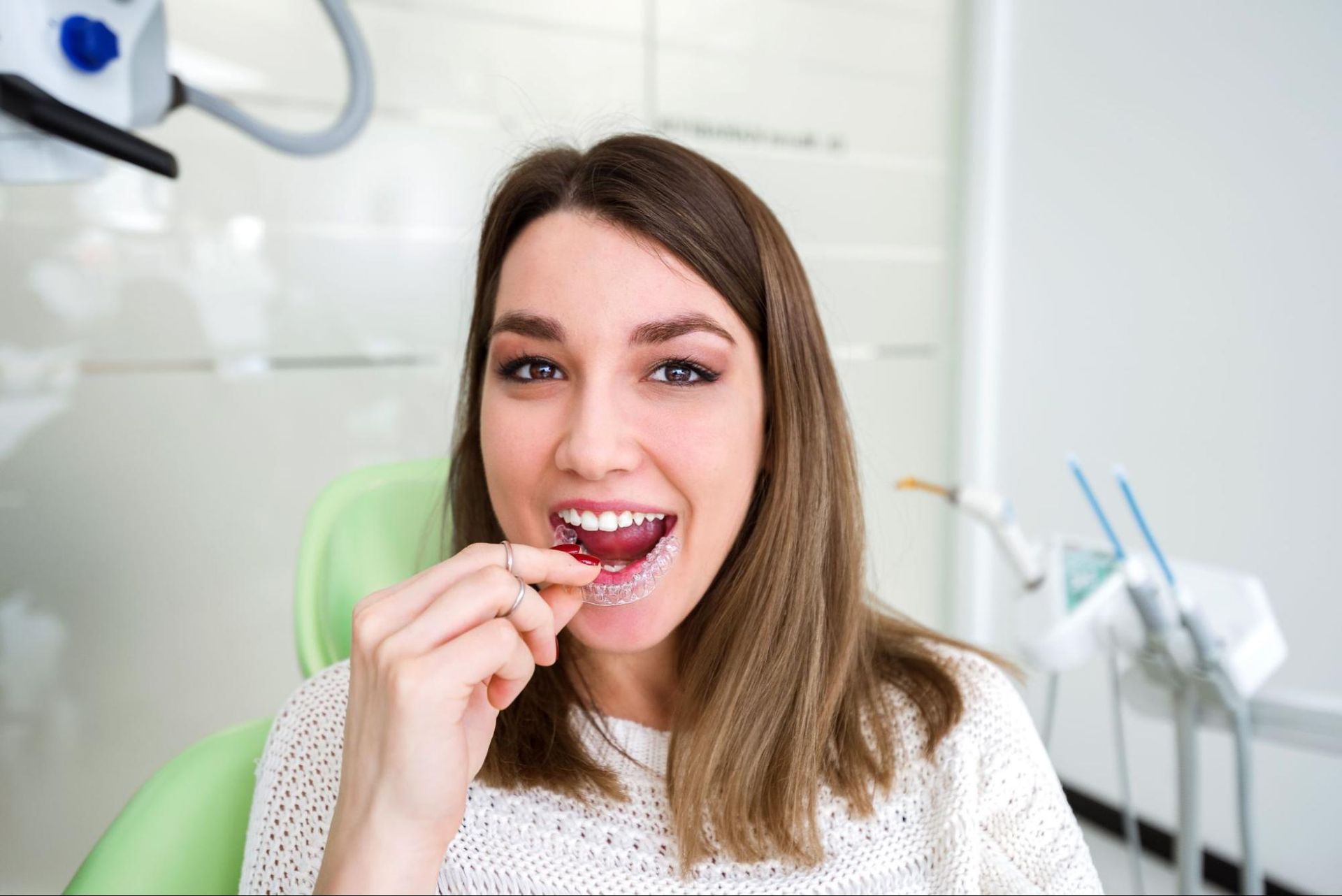
One of the most common causes is inconsistent retainer wear. Retainers are designed to hold teeth in their new positions while the surrounding bone and tissues stabilize. When retainers are not worn as recommended, teeth can begin to drift.
Other factors that may contribute to shifting teeth include:
- Natural aging and facial growth
- Changes in bone and gum tissues over time
- Everyday chewing and biting forces
- Teeth grinding or clenching
- Lost, damaged, or worn retainers
- Previous severe crowding before treatment
Many people also believe wisdom teeth cause crowding after braces. While wisdom teeth can create pressure in some situations, research suggests they are usually not the primary reason teeth shift later in life.
Can Teeth Shift Even If You Wear Your Retainer?
Yes. Even patients who wear their retainers consistently may notice small changes over time. Retainers are not designed to last forever. Like any appliance, they can wear down, become distorted, or lose their effectiveness after years of use. If a retainer no longer fits properly, it may not be providing the support needed to keep teeth aligned.
Regular retainer evaluations can help identify issues before noticeable shifting occurs.
What Are the Signs of Orthodontic Relapse?
In many cases, orthodontic relapse begins gradually. You may notice subtle changes before significant movement occurs.
Common signs include:
- Your retainer feels tighter than usual
- Teeth appear more crowded
- Small gaps begin to form
- Front teeth start overlapping
- Your bite feels different when chewing
- Teeth no longer look as straight as they once did
If you notice any of these changes, it is important to schedule an evaluation sooner rather than later. Early intervention is often simpler and more affordable than waiting for movement to worsen.
Can Shifting Teeth Be Corrected?
The good news is that many cases of orthodontic relapse can be successfully treated.
The best solution depends on how much movement has occurred and how long the shifting has been happening. In some cases, a new retainer may be all that is needed. In others, limited orthodontic treatment may be recommended to restore alignment.
Treatment options may include:
Addressing shifting teeth early often leads to faster and more conservative treatment.
How Can You Prevent Teeth From Shifting?
While some natural changes occur throughout life, there are several ways to protect your orthodontic results.
Patients can help prevent orthodontic relapse by:
- Wearing retainers exactly as directed
- Replacing retainers when they become worn or damaged
- Storing retainers properly when not in use
- Scheduling recommended follow-up appointments
- Contacting your orthodontist if your retainer no longer fits
- Addressing minor movement before it becomes significant
Consistent retainer wear remains one of the most effective ways to maintain a straight, healthy smile.
Why Retainers Are a Lifetime Commitment
One of the most common misconceptions about orthodontic treatment is that retainers are only needed for a short period after braces or Invisalign. In reality, teeth continue to experience small changes throughout life. Just as your body changes with age, your teeth and bite can change as well. Long-term retainer wear helps preserve the results you worked hard to achieve and protects your investment in your smile.
Many orthodontists recommend nighttime retainer wear indefinitely to help maintain alignment for years to come.
Protect Your Smile with Brodsky Orthodontics
A straight smile is an investment worth protecting. If you have noticed your teeth shifting after braces or Invisalign treatment, the team at Brodsky Orthodontics can help. Whether you need a replacement retainer, minor orthodontic correction, or a comprehensive treatment plan, we can evaluate your smile and recommend the best solution for your needs. The sooner shifting teeth are addressed, the easier it is to preserve the results you worked so hard to achieve.
Contact Brodsky Orthodontics today to schedule a consultation and keep your smile looking its best for years to come.
Frequently Asked Questions
Is it normal for teeth to shift years after braces?
Yes. Minor tooth movement is common as we age. Consistent retainer wear can help minimize these changes and maintain your orthodontic results.
How much shifting is considered normal?
Small changes can occur naturally over time. However, noticeable crowding, gaps, or bite changes should be evaluated by an orthodontist.
Can a retainer move teeth back into place?
In some cases, yes. If the movement is minor and caught early, a retainer may help guide teeth back into position. More significant movement may require additional treatment.
What should I do if my retainer no longer fits?
Do not force the retainer into place. Contact your orthodontist as soon as possible for an evaluation and replacement options.
Do wisdom teeth cause teeth to shift?
Wisdom teeth are often blamed for crowding, but they are generally not considered the primary cause of orthodontic relapse.
How often should retainers be replaced?
The lifespan of a retainer depends on the type of retainer, wear patterns, and how well it is cared for. Your orthodontist can help determine when replacement is necessary.
Can Invisalign fix teeth that have shifted after braces?
Yes. Many adults use Invisalign to correct minor to moderate orthodontic relapse and restore alignment after previous treatment.